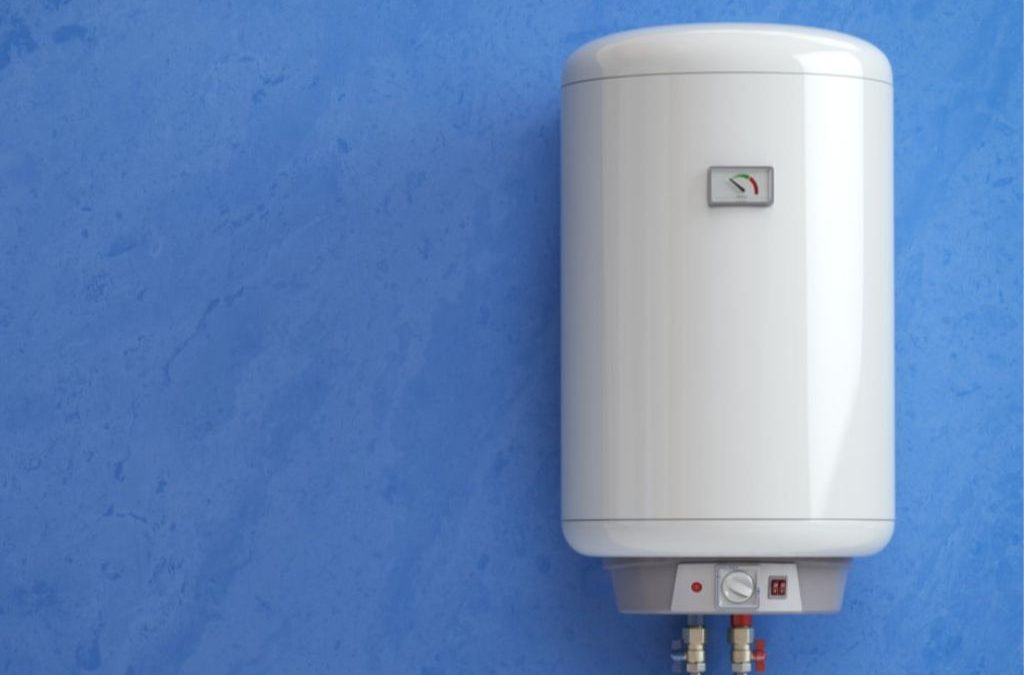
Wondering how long a 50L hot water system lasts in Australia You are not alone. You want hot showers on demand and low running costs. The right guidance helps you plan repairs and replacements with confidence.
In most Aussie homes a 50L unit offers reliable service for years. Lifespan depends on water quality installation and maintenance. You can stretch longevity with simple upkeep like periodic checks and timely anode replacement. Skip the basics and you risk early failure and higher bills.
This guide explains typical lifespan for a 50 litre hot water system in Australia. You will learn key factors that affect durability signs you should not ignore and when to replace versus repair. Read on to make a smart call and protect your energy budget.
When I asked Caspar from Brisbane Flow Plumbing how long a 50L hot water system really lasts in Australia, he said most units give a solid decade if you stay on top of basics.
“Eight to twelve years is the norm for a small storage tank. If you test the valve, flush sediment, and swap the anode every few years, you’ll often get closer to fifteen. Ignore maintenance and you’ll be lucky to see eight.”
Caspar also stressed water quality:
“Hard water and coastal chloride chew tanks out early. I always tell clients in Brisbane’s bayside suburbs to check their water report and service more often. A cheap anode change is way better than a tank split.”
You can find out more about Caspar and his plumbing business following this link: brisbaneflowplumbing.com.au
How long does a 50L hot water system last in Australia
A 50L hot water system in Australia often runs for a decade. Your outcome varies by system type, water chemistry, and upkeep.
Typical lifespan range in Australia
Typical lifespan range in Australia sits between 8 and 15 years for most 50L storage units.
System type | Typical lifespan range in Australia | Notes |
|---|---|---|
| Electric storage 50L | 8-12 years | Longer with anode care and clean water |
| Gas storage 50L | 8-12 years | Similar to electric under like conditions |
| Heat pump 50L equivalent | 10-15 years | Compressor life sets the upper bound |
| Solar storage 50L booster | 12-20 years | Tank and collector age at different rates |
Sources: Choice product guide on hot water systems, lifespan and maintenance advice (https://www.choice.com.au/home-improvement/water/hot-water-systems); energy.gov.au hot water system overview and settings guidance (https://www.energy.gov.au/households/energy-systems-appliances/hot-water-systems)
How usage and environment influence longevity
How usage and environment influence longevity depends on cycling, temperature, water chemistry, and site exposure.
- Draw-offs: Frequent small draws, for example, 10-20 per day, increase heat cycles and tank stress.
- Temperature: Higher setpoints, for example, 65-70°C, speed corrosion and scale growth, while 60°C meets storage hygiene guidance for legionella control (energy.gov.au).
- Water hardness: Hard water, for example, >120 mg/L as CaCO3, consumes anodes faster and adds scale to elements and tanks.
- Chloride content: Salty supply, for example, coastal bore or blended desalinated water, raises pitting risk on steel and mild steel fittings.
- Anode servicing: Scheduled anode inspection, for example, every 3–5 years in adverse water, extends tank life and delays leaks (Rheem service literature: https://www.rheem.com.au).
- Installation quality: Correct valve set, correct dielectric unions, and correct pressure limiting reduce tank and joint fatigue.
- Location: Outdoor coastal sites, for example, within 1 km of surf, increase external corrosion on casings and pipework.
- Sediment control: Periodic drain downs, for example, annual flushes, limit sediment that insulates elements and overheats tank bases.
Factors that affect lifespan
Your 50L hot water system’s lifespan in Australia depends on water chemistry, installation quality, climate, maintenance, and usage. Your choices in these areas extend service life and cut running costs.
Water quality and hardness
Water chemistry drives corrosion and scale inside a 50L hot water system. Hardness above 200 mg/L as CaCO3 accelerates scale on elements and heat exchangers, which raises operating temperature and stress (NHMRC Australian Drinking Water Guidelines, 2011). Chloride above 200 mg/L increases pitting risk in stainless tanks and speeds anode consumption in enamelled tanks (NHMRC ADWG, 2011). Many manufacturers derate warranties in high chloride or high TDS zones, which flags real-world risk (Rheem and Dux warranty terms).
- Test local supply with a lab report or utility data if you live in Perth, Adelaide, regional QLD, or coastal towns with brackish bores
- Fit a scale inhibitor or softening solution where hardness exceeds 200 mg/L as CaCO3
- Select a glass-lined tank with a large magnesium anode in hard water or select 316 stainless in low chloride zones
Parameter | Low risk range | Elevated risk range | Source |
|---|---|---|---|
| Hardness as CaCO3 | 0-200 mg/L | >200 mg/L | NHMRC ADWG 2011 |
| Chloride | 0-200 mg/L | >200 mg/L | NHMRC ADWG 2011 |
| Storage temperature | 60°C standard | >65°C | AS/NZS 3500.4, ADWG |
Installation and system sizing
Correct installation prevents thermal and mechanical stress. A 50L hot water system is the right size that suits 1-2 users with low simultaneous demand, such as a studio or small flat. Oversizing causes heat loss, while undersizing causes rapid cycling and anode depletion.
- Comply with AS/NZS 3500.4 for pipe sizing, valve placement, and safe discharge
- Fit a tempering valve to deliver 50°C at outlets as required by AS 4032.1 and plumbing codes
- Insulate flow and return lines to NCC 2022 guidance to reduce standby losses
- Place the tank close to the main bathroom or kitchen to shorten runs and reduce drawdown
Climate and location
Ambient conditions shape corrosion and heat loss. Coastal sites within 1 km of surf see higher salt deposition, which increases external corrosion on casings and fittings (Bureau of Meteorology sea salt aerosol studies). Hot climates reduce heat loss for storage units yet can affect heat pump performance envelopes below 5°C in cool regions, which matters in alpine NSW and TAS (AS/NZS 4234 performance maps, manufacturer data).
- Position outdoor units with shelter from prevailing winds and sea spray
- Select marine-grade fasteners and coatings for coastal Australia
- Check the heat pump’s minimum operating temperature on the nameplate if you live in cool zones
Maintenance frequency and method
Planned service extends life and preserves efficiency. Anode care, valve testing, and sediment control prevent internal damage. Storage temperature also matters for hygiene.
Task | Interval | Impact | Source |
|---|---|---|---|
| Test PTR valve lever | 6 months | Prevents overpressure faults | Manufacturer instructions, AS/NZS 3500.4 |
| Inspect and replace sacrificial anode | 3–5 years | Limits tank corrosion | Rheem, Dux service guides |
| Flush sediment from drain port | 12 months | Reduces scale hot spots | Manufacturer instructions |
| Check thermostat and set 60°C at storage | 12 months | Controls Legionella risk | AS/NZS 3500.4, health guidance |
| Inspect dielectric unions and earth bond | 12 months | Prevents galvanic attack | AS/NZS 3000, plumbing codes |
- Record service dates on the tank data plate and keep invoices for warranty claims
- Replace a sticking PTR valve immediately if it drips continuously after testing
Daily usage patterns
Draw patterns affect cycling and thermal stress. Frequent small draws cause repeated reheats in a 50L hot water system, which consumes anode capacity faster. Very high setpoints above 65°C raise scale formation in hard water and increase element fouling. Long hot showers or back-to-back usage cause deep drawdowns, which force full charge cycles.
- Consolidate hot water tasks into set windows where practical to cut reheats
- Fit low-flow showerheads at 6-9 L per minute to reduce drawdown
- Keep outlet mixing at 50°C through a tempering valve while storing at 60°C for safety (AS/NZS 3500.4)
Lifespan by system type
Lifespan differs by system type, tank material, and water chemistry across Australia. Use the ranges below to benchmark a 50 L hot water system, then adjust for your water quality and maintenance plan.
Electric storage units
Typical service life for a 50 L electric storage unit sits at 8-12 years in Australia, based on consumer testing and manufacturer data sources like CHOICE and major brands.
Attribute | Typical range |
|---|---|
| Service life | 8-12 years |
| Warranty cues | 5-12 years on tank, 1–3 years on parts |
| Anode interval | 3-5 years in hard or chloride-rich water |
- Expect shorter life in hard water areas, for example, Adelaide and regional WA, due to scale and anode depletion (CHOICE, https://www.choice.com.au/home-improvement/water/hot-water-systems/buying-guides/hot-water-systems).
- Check the sacrificial anode on schedule, then replace it early if chloride exceeds 250 mg/L per AS/NZS 3500.4 guidance and local water reports.
- Fit a tempering valve and PTR drain line correctly, then reduce thermal stress from high setpoints above 65°C.
Gas storage units
Typical service life for a 50 L gas storage unit sits at 8-12 years in Australia, with similar tank ageing to electric storage and added burner maintenance.
Attribute | Typical range |
|---|---|
| Service life | 8-12 years |
| Warranty cues | 5-10 years on tank, 1-3 years on parts |
| Service interval | 1-2 years for burner and flue check |
- Expect combustion by-products to accelerate corrosion in coastal suburbs like Wollongong and Newcastle without regular flue inspections (CHOICE, https://www.choice.com.au/home-improvement/water/hot-water-systems/buying-guides/hot-water-systems).
- Check burner aeration and gas pressure annually, then clear lint and debris to avoid sooting.
- Replace the anode on the tank schedule, then test the PTR valve at each service per AS/NZS 3500.4.
Heat pump systems
Typical service life for a compact 50 L heat pump sits at 10-15 years, with compressors and fans outlasting storage tanks where water is soft to moderately hard.
Attribute | Typical range |
|---|---|
| Service life | 10-15 years |
| Warranty cues | 3-6 years on refrigeration unit, 5-10 years on tank |
| Performance check | Annual airflow and coil clean |
- Expect longer life in temperate climates like SE Queensland and coastal NSW, then plan defrost-friendly placement in cooler zones to protect the compressor efficiency (CHOICE, https://www.choice.com.au/home-improvement/water/hot-water-systems/buying-guides/heat-pump-hot-water-systems).
- Check coil cleanliness and fan operation yearly, then verify refrigerant charge after any performance drop.
- Replace magnesium anodes on glass-lined tanks sooner in hard water, then select stainless tanks to resist chloride where levels trend high.
Solar-boosted setups
Typical service life for a 50 L solar-boosted storage with electric or gas boost sits at 12-20 years, with collectors often outlasting tanks when maintained.
Attribute | Typical range |
|---|---|
| Service life | 12-20 years |
| Collector life | 15-25 years with clean glazing and glycol where used |
| Tank life | 8-15 years depending on lining and water chemistry |
- Expect higher longevity in low-chloride town supplies, then monitor for galvanic corrosion on roof pipework per AS/NZS 2712 guidance for solar water heaters.
- Check collector glazing and seals annually, then flush sludge from solar loops and storage to limit scale and stagnation.
- Replace anodes on schedule for glass-lined tanks, then inspect boost elements or burners to maintain recovery and legionella control (CHOICE, https://www.choice.com.au/home-improvement/water/hot-water-systems/buying-guides/solar-hot-water-systems).
Signs it’s time to repair or replace
Identify failure symptoms early to protect your 50L hot water system in Australia. Act on clear triggers to avoid costly damage.
Inconsistent temperature or recovery time
Benchmark reheating and outlet temperature against typical 50L performance.
System type | Element or input | Target storage temp | Typical recovery time | Source |
|---|---|---|---|---|
| Electric storage 50L | 1.8 kW element | 60°C | 80-95 min | Rheem AU datasheets |
| Electric storage 50L | 3.6 kW element | 60°C | 40-55 min | Rheem AU datasheets |
| Gas storage 50L | 20-25 MJ/h | 60°C | 30-60 min | Rinnai AU specs |
| Heat pump 50L | 0.7-1.0 kW input | 60°C | 90-150 min | Manufacturer data |
- Timing showers and sink draws against the table helps confirm slow recovery if the tank takes longer than expected.
- Checking outlet temperature at a tap verifies storage control if the cylinder fails to maintain about 60°C at the tank as required by AS 3498 and AS/NZS 3500.
- Noticing frequent lukewarm bursts indicates a failing thermostat or element if small draws such as a 5 minute shower cause temperature collapse.
- Comparing seasonal performance highlights marginal capacity if summer recovery seems normal yet winter recovery stretches beyond the ranges above.
Rusty water, leaks, or corrosion
Treat visible deterioration as a priority because corrosion accelerates failure.
- Observing reddish water at a hot tap indicates internal tank corrosion if cold taps run clear.
- Inspecting joints, seams, and the base tray reveals hot water leaks if you see damp insulation, rust streaks, or pooling under the tank.
- Checking the anode service date supports repair decisions if the sacrificial anode is beyond 5 years per Rheem and Dux maintenance guidance.
- Finding pinhole leaks or bulging insulation warrants replacement if the steel shell shows active corrosion, especially in coastal air or high chloride water per AS/NZS 3500 water quality notes.
Unusual noises or odours
Link sound and smell changes to scale, sediment, or bacterial growth.
- Hearing popping or kettling under heat points to limescale on the element if hardness is elevated, examples include CaCO3 above 200 mg/L.
- Hearing gurgling during reheating flags sediment in the base if the drain valve discharges gritty water during a flush.
- Smelling rotten egg odour signals sulphate reducing bacteria if odour occurs only on the hot side and improves with a 60°C heat cycle as recommended by AS 3498 for Legionella control.
- Smelling metallic or chemical notes suggests anode depletion if odour worsens after long storage periods, examples include weekend absences.
Rising energy bills and frequent callouts
Track operating costs and reliability to decide between repair and replacement.
- Comparing quarterly kWh or MJ use against last year shows efficiency loss if hot water energy rises 15–30 percent with the same usage profile per retailer billing data.
- Logging boost cycles on heat pumps or controller run time exposes short cycling if starts per day increase, examples include jumps from 4 to 8 cycles.
- Adding repair invoices builds a trend if you record 2 or more breakdowns in 12 months, examples include element swaps and valve replacements, which indicates end of life per manufacturer economic repair guidance.
- Estimating payback clarifies replacement timing if a new high efficiency unit offsets rising tariffs under Australia’s energy price data from the Australian Energy Regulator.
Maintenance to extend service life
Target maintenance lifts the lifespan of a 50L hot water system in Australia. Plan tasks by interval and water quality to keep performance steady.
Anode inspection and replacement
Anode care protects the steel tank from corrosion. Inspect the sacrificial anode then replace it before depletion to preserve the tank.
- Inspect the anode on electric and gas storage units at set intervals
- Measure the anode diameter at the top hex head or via the hot outlet port
- Replace the anode when pitted or under 10 mm of core material remains
- Record water hardness and chloride levels to set the next check
Cite Rheem and Dux service guides for model specific intervals. Reference AS/NZS 3500.4 for heated water service practice.
Flushing the tank and sediment control
Sediment control reduces scale and stress on the tank and element. Flush the storage cylinder to clear debris and restore heat transfer.
- Isolate power or gas then attach a drain hose to the drain valve
- Open the TPR valve lever then drain until water runs clear
- Refill the tank then purge air at a hot tap before restoring energy
- Fit inline strainers or scale cartridges in hard water post test
Reference Australian Drinking Water Guidelines for hardness and chloride context.
Testing the temperature and pressure relief valve
TPR valve testing prevents overpressure faults and heat stress. Operate the easing lever then confirm free discharge and reseal.
- Lift the easing lever for 10 seconds to prove flow
- Observe clean discharge then check the valve reseats without drips
- Replace the TPR valve if it sticks or drips persist after the test
- Verify the drain line terminates to a safe point per AS 3500
Cite NSW Fair Trading guidance and manufacturer manuals for six monthly functional tests and five yearly valve replacement.
Professional servicing schedule
Licensed servicing catches faults early and aligns with Australian Standards. Schedule visits by system type, location, and water chemistry.
- Engage a licensedhot water plumber for storage systems and tempering valve checks
- Verify thermostat calibration and element or burner condition
- Clean heat pump coils and fan intakes then check condensate drains
- Inspect solar storage tanks, PTR valves, and collector circuits
Reference AS/NZS 3500 series for installation and maintenance scope. Cite OEM schedules for unit specific tasks.
Task | Interval | Context | Source examples |
|---|---|---|---|
| Anode inspection | 3-5 years | 50L electric or gas storage | Rheem, Dux service manuals |
| Anode replacement | 5 years | 50L storage, 3 years in hard water | Rheem, Dux |
| Tank flush | 12 months | 50L storage, 6 months in hard water | OEM manuals |
| TPR valve functional test | 6 months | All storage types | NSW Fair Trading, OEM |
| TPR valve replacement | 5 years | All storage types | OEM, AS 1357 compliant valves |
| Professional service | 12-24 months | Inland 24 months, coastal 12 months | AS/NZS 3500, OEM |
| Heat pump coil clean | 12 months | 50L heat pump | Manufacturer manuals |
| Solar storage and collector check | 12-24 months | Solar boosted 50L storage | Manufacturer, Clean Energy Council |
Water quality guideposts for Australia help set tighter intervals if conditions demand them.
Parameter | Threshold | Maintenance impact | Source |
|---|---|---|---|
| Hardness as CaCO3 | >200 mg/L | Flush biannually, anode at 3 years | Australian Drinking Water Guidelines |
| Chloride | >250 mg/L | Inspect anode at 3 years | Australian Drinking Water Guidelines |
| Coastal salt exposure | Within 5 km of coast | Service annually | AS/NZS 3500 practice, OEM advice |
Costs, warranties, and value
Understand the total cost of a 50L hot water system in Australia before you commit. Compare replacement costs, warranty cover, and upgrade triggers to protect value over the system lifespan.
Typical replacement costs in Australia
The table lists common 50L class options, installed pricing, and expected life in Australian conditions.
System type | Unit price AUD | Installed price AUD | Typical life years |
|---|---|---|---|
| Electric storage 50L | 600-1,200 | 1,200-2,500 | 8-12 |
| Gas storage 50L | 900-1,500 | 1,500-3,000 | 8-12 |
| Heat pump small tank | 1,800-3,500 | 2,500-4,500 | 10-15 |
| Solar electric boost small store | 2,500-5,000 | 3,500-7,000 | 12-20 |
- Pricing reflects metropolitan installs and standard changeovers, regional or complex works increase costs.
- Lifespan ranges align with field data and maker guidance for vitreous enamel tanks and heat pump systems.
- Rebates and STCs reduce net prices for heat pumps and solar in many postcodes, confirm eligibility on Energy Made Easy or state portals.
Sources: Australian Government energy advice on hot water technologies and incentives, energy.gov.au Hot Water Systems, state rebate portals, typical pricing from major brands including Rheem, Rinnai, Dux.
Warranty terms and what they cover
- Tank: Storage cylinder cover commonly sits at 7-12 years for vitreous enamel, examples include Rheem 7-12 years and Dux 7-10 years.
- Parts: Ancillary parts cover often runs 1-3 years, examples include valves, thermostats, controllers.
- Labour: Labour cover commonly runs 1 year, some premium lines extend to 3 years.
- Conditions: Licensed installation and maintenance compliance apply under AS/NZS 3500, water quality limits apply for pH 6.5-8.5, chloride often ≤250 mg/L, TDS often ≤600 mg/L.
- Exclusions: Sacrificial anodes, TPR valves, expansion control valves, and damage from high pressure or untreated hard water often sit outside cover.
- Consumer law: Australian Consumer Law guarantees apply in addition to maker warranties.
Sources: Rheem warranty statements, Rinnai warranty booklets, Dux warranty terms, AS/NZS 3500.1, Australian Competition and Consumer Commission guidance.
When upgrading makes financial sense
- Replace: Choose a new unit, if repair quotes exceed 40% of a comparable installed replacement price.
- Upgrade: Move from electric storage to a heat pump, if the payback sits under 5-7 years from energy savings.
- Switch: Select solar or a heat pump, if tariffs are high and roof or ambient conditions suit efficient operation.
- Downsize: Pick a 50L tank, if peak draws suit a small household or a single bathroom.
- Relocate: Shift the tank or add insulation, if heat loss or salt exposure shortens life near coastal air.
Example energy and bill impact in Australia
System type | Annual energy use kWh | Annual energy cost AUD at 0.30/kWh |
|---|---|---|
| Electric storage 50L | 1,200–1,800 | 360–540 |
| Heat pump small tank | 400–700 | 120–210 |
- Savings: Expect 60-70% lower energy use with a heat pump, if the COP averages near 3 across seasons.
- Payback: See 240-420 AUD yearly savings on typical tariffs, if usage falls in the ranges above.
Sources: energy.gov.au Hot Water Systems technology guide, Energy Rating and manufacturer COP data for residential heat pumps.
Choosing the right 50L replacement
Choose a 50L hot water system that matches your usage and climate in Australia. Prioritise reliable lifespan and low running costs, then align features with your site and water quality.
Capacity fit for household size
Match 50L storage to actual peak demand, not nominal occupancy.
- Size for occupants and usage patterns, for example 1 person in a studio or 2 people with staggered showers
- Size for fixture flow rates, for example 9 L/min showerheads and 6 L/min basin mixers
- Size for recovery time tolerance, for example off peak electric tariffs and daytime solar PV boosts
Capacity benchmarks in Australia.
Household | Typical daily hot water use L/person | Suggested storage L | Notes |
|---|---|---|---|
| 1 adult | 50–70 | 50 | Suits low simultaneous use |
| 2 adults | 35–60 | 50–80 | Suits staggered showers |
| 2 adults 1 child | 35–60 | 80–125 | Suits higher peak draw |
Data draws on Australian Government YourHome guidance for hot water demand and efficient fixtures.
Choose 50L storage for 1-2 people in small dwellings, if showers run short and washing uses cold cycles. Select 80-125L storage for 2-3 people with back to back showers, if fixtures use 9-12 L/min.
Energy efficiency and running costs
Compare technologies on efficiency, tariffs, and climate suitability. Efficiency values reflect Australian Government YourHome, Energy Rating, and Clean Energy Regulator guidance.
Assumptions: electricity 0.30 $/kWh, gas 0.03 $/MJ, annual hot water energy 1,500–2,500 kWh equivalent for a small household.
System type | Efficiency metric | Annual energy use | Annual running cost | Notes |
|---|---|---|---|---|
| Electric storage 50L | Element 100% | 1,800-2,500 kWh | $540-$750 | Simple install |
| Gas storage 50L | 3-4 Star, 60-70% | 65-85 GJ | $1,950-$2,550 | Flued install |
| Heat pump 50L class | COP 3.0-4.0 | 450-750 kWh | $135-$225 | Works best 5-45°C |
| Solar thermal 50L storage with boost | Solar fraction 50-70% | 540-1,250 kWh | $160-$375 | STCs reduce upfront |
Select a heat pump for lowest bills and emissions, if ambient temperatures stay within the unit envelope and airflow remains clear. Choose solar boosted storage for long term savings, if roof orientation suits and STCs apply under the Clean Energy Regulator. Pick electric storage for low upfront cost, if tariffs suit and space limits apply. Prefer gas storage only where gas pricing and flue routes justify usage, if ventilation and AS/NZS 5601 compliance exist.
Brands, compliance, and safety features
Compare reputable brands, confirm certifications, and verify safety controls.
- Brands for 50L storage, for example Rheem, Rinnai, Dux, Thermann
- Brands for compact heat pumps, for example Stiebel Eltron, Sanden, Rinnai, Midea
- Certifications for Australia, for example WaterMark, GEMS registration, NCC compliance
- Standards for product and install, for example AS/NZS 4692 electric water heaters, AS/NZS 2712 solar water heaters, AS/NZS 5601 gas installations, AS 3500.4 heated water services
- Safety devices for tanks, for example temperature and pressure relief valve, tempering valve set to 50°C bathrooms, sacrificial anode
- Protections for heat pumps, for example frost control, condensate drain, anti legionella sanitise cycle
Confirm WaterMark and GEMS listings on the data plate and product literature, if documentation seems unclear. Set bathroom outlets to 50°C with a compliant tempering valve under AS 3500.4, if scald risk exists for children or elderly. Use coastal grade materials and anodes in marine zones, if salt exposure affects lifespan. Engage licensed trades for gas, electrical, and plumbing scopes, if Australian state laws require authorisation.
Conclusion
You now have the key signals to judge system health and plan the next step. Stay proactive with simple checks and timely servicing so you avoid costly surprises and cold showers. Keep a maintenance log and set reminders so small issues do not grow.
If your unit shows persistent faults or rising bills it is time to price a replacement. Compare running costs warranty terms and installation needs so you get the best value. Match the system to your household patterns and your local water conditions. A licensed plumber can assess your site test the water and recommend a right sized upgrade.
Act early and your 50L hot water system will serve you reliably and affordably.
Frequently Asked Questions
How long does a 50L hot water system last?
Most 50L systems last 8-15 years in Australia. Electric and gas storage units typically last 8-12 years, heat pumps 10-15 years, and solar-boosted systems 12-20 years. Lifespan depends on water quality, installation, usage, climate, and maintenance. Regular servicing and anode replacement can extend life.
What factors affect the lifespan of a 50L system?
Key factors include water hardness and chloride levels, installation quality, temperature settings, daily usage patterns, climate (especially coastal exposure), and maintenance frequency. Poor water chemistry, oversized temperature settings, and neglected servicing accelerate corrosion, scale build-up, and mechanical stress.
How often should I service a 50L hot water system?
Do a visual check every 6-12 months and a professional service every 1-2 years. In hard or high-chloride water areas, service yearly. Flush the tank annually, test the TPR valve every 6 months, and check/replace the anode every 3-5 years (sooner in harsh water).
What are signs my system needs repair or replacement?
Watch for inconsistent water temperature, slow recovery, rusty or discoloured water, leaks, visible corrosion, unusual noises or odours, frequent pilot outages, and rising energy bills. If the unit is near end-of-life and repairs exceed 30-50% of replacement cost, consider replacing.
How does water quality affect my hot water system?
Hard water causes scale, reducing efficiency and stressing components. High chloride accelerates corrosion, especially in coastal regions. Test local water, use scale inhibitors or softening solutions where needed, and maintain an appropriate anode to protect the tank.
What’s the difference in lifespan by system type?
- Electric storage: 8-12 years
- Gas storage: 8–12 years
- Heat pump: 10–15 years
- Solar-boosted storage: 12–20 years
Good installation and maintenance can push systems towards the top of these ranges.
How can I extend the life of my 50L hot water system?
- Service regularly and replace the anode when needed
- Flush sediment annually
- Keep temperature sensible (around 60°C at the tank for safety; tempering valve at outlets)
- Ensure correct sizing and location
- Protect from coastal exposure and poor water chemistry
- Maintain proper ventilation and clearances
How often should I replace the anode?
Typically every 3-5 years, but check annually after year two in hard or high-chloride water areas. A depleted anode leads to rapid tank corrosion and premature failure.
What is the TPR valve and how often should I test it?
The Temperature and Pressure Relief (TPR) valve prevents dangerous overpressure. Lift the test lever briefly every 6 months to ensure smooth operation and no blockage. If it dribbles constantly or won’t reset, call a licensed plumber.
Does usage pattern affect lifespan?
Yes. Frequent small draws, high temperature settings, and heavy daily demand increase cycling and wear. Right-sizing the system, insulating pipes, and smoothing demand (e.g., off-peak showers and laundry) reduce stress and energy use.
What does a replacement 50L system cost in Australia?
Installed costs vary by type and complexity: electric storage is usually the cheapest, gas storage slightly more, heat pumps higher upfront, and solar-boosted highest. Expect wide ranges due to site conditions, brand, rebates, and regional labour. Get multiple quotes including disposal and valves.
Are heat pump systems worth it?
Often yes. Heat pumps can cut hot water energy use by 60–70% versus electric storage, offering strong bill savings. Payback commonly falls within 3–6 years depending on tariffs, climate, and rebates. Ensure proper airflow, condensate drainage, and noise compliance.
What warranties should I look for?
Check separate coverage for tank (often 5–10+ years), parts (1–5 years), and labour (1–2 years). Read conditions on water quality, installation by licensed trades, and maintenance records. Non-compliance, corrosion from harsh water, or poor installation may void claims.
How do I choose the right 50L replacement?
Match capacity to occupants and usage. A 50L tank suits singles or low-use setups; frequent multiple showers may need larger capacity or faster recovery (gas or heat pump). Compare running costs, noise, space, brand reputation, local support, and compliance with Australian Standards.
What installation practices are essential?
Use a licensed plumber. Ensure correct sizing, level base, proper pipework, tempering valve, TPR drain to a safe point, adequate ventilation (for gas/heat pump), seismic restraint where required, and clearances for servicing. Avoid direct coastal exposure where possible.
How often should I flush the tank?
Annually for most areas; every 6 months in hard-water regions. Flushing removes sediment, improves efficiency, and protects elements, TPR valves, and the tank lining.
When should I repair instead of replace?
Consider repair if the unit is mid-life, issues are minor (e.g., thermostat, element, valve), and costs are low. Replace if the tank is leaking, corrosion is extensive, efficiency has dropped sharply, or repair costs exceed 30-50% of a new, more efficient system.